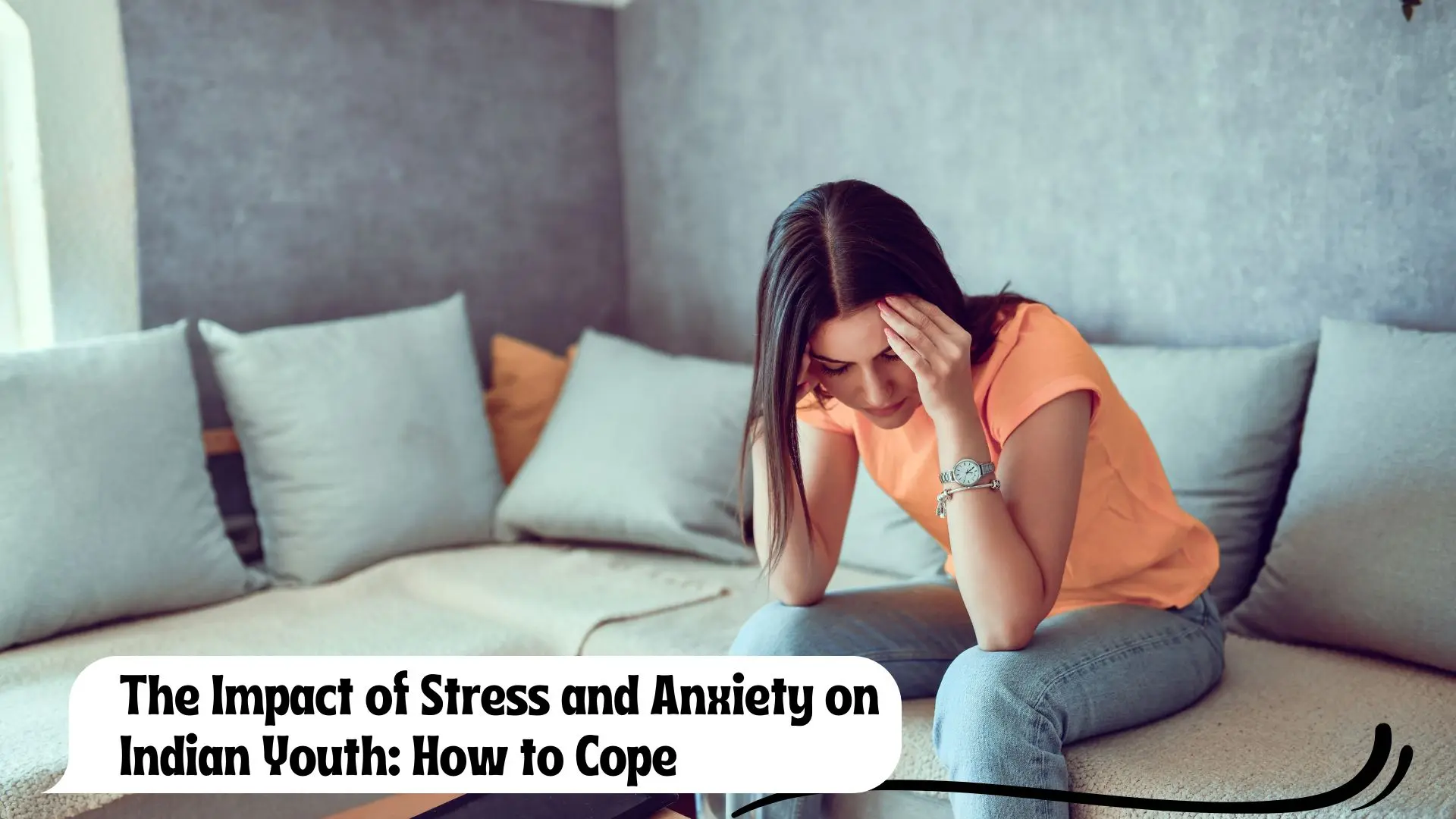



Why Mental Health Deserves the Same Attention as Physical Health
There was a time when people only visited a doctor if they had fever, pain, or visible injury. If nothing looked wrong from outside, everything was assumed to be fine. Even today, that mindset hasn’t completely changed — especially when it comes to mental health.
A person can be laughing in public and still feel exhausted inside. Someone can be successful in career and still feel anxious every single day. Many people wake up tired, not because their body is weak, but because their mind hasn’t rested for months.
And yet, we hesitate to say, “I’m not okay.”
The Silent Pressure We All Carry
Modern life looks glamorous from social media, but behind the scenes it is heavy. Deadlines, competition, financial pressure, relationship expectations, family responsibilities — everything adds up.
In cities like Rajkot and across India, people are working harder than ever. But emotional well-being is rarely discussed openly. If someone talks about anxiety or depression, the immediate reaction is often: “Don’t think too much” or “Be positive.”
But mental health conditions are not about thinking too much. They are about emotional overload.
According to global health reports, anxiety disorders and depression are among the most common health issues worldwide. In India too, mental health awareness is increasing, but actual consultations are still far lower than needed. This gap is not because people are fine. It is because people are afraid to seek help.
Mental Health Affects Physical Health Too
Stress is not just “in the mind.” Chronic stress can lead to:
-
Sleep disturbances
-
High blood pressure
-
Digestive issues
-
Headaches
-
Reduced immunity
-
Fatigue and burnout
When we ignore mental stress for too long, the body eventually starts responding. That’s when many people begin searching online for symptoms like “why am I always tired,” “why can’t I sleep at night,” or “constant anxiety feeling.”
What we often forget is that mental health is healthcare.
When Should You Seek Professional Help?
It’s normal to feel sad or stressed sometimes. But if you notice:
-
Persistent low mood for weeks
-
Constant overthinking
-
Panic attacks
-
Loss of interest in daily activities
-
Sleep problems
-
Feeling hopeless or emotionally numb
It may be time to consult a mental health professional.
Just like you wouldn’t ignore chest pain, emotional pain also deserves attention.
Seeking Help Is Strength, Not Weakness
The strongest people are not the ones who suppress everything. They are the ones who understand when they need support.
Consulting a psychologist or psychiatrist does not mean something is “wrong” with you. It simply means you value your well-being enough to address it.
In fact, early consultation prevents long-term complications — both emotionally and physically. Timely mental health consultation can improve productivity, relationships, confidence, and overall quality of life.
Breaking the Stigma Around Mental Health in India
One of the biggest barriers in India is stigma. “Log kya kahenge?” stops many people from taking the first step. But things are changing. More professionals, students, parents, and even senior citizens are opening up about therapy and counseling.
Mental health awareness is no longer just a trend — it is a necessity.
The conversation needs to shift from:
“Why are you so sensitive?”
to
“How can I support you?”
Your Mind Deserves Care Too
We invest in gym memberships for our body.
We go for health checkups for cholesterol and sugar levels.
But when was the last time we checked in on our emotional health?
Mental health is not weakness. It is as real as diabetes, hypertension, or asthma. And just like other health conditions, early consultation makes a difference.
If you or someone you know is struggling silently, start with a conversation. Reach out to a qualified professional. Even a small step can create a big shift.
Because taking care of your mind is not optional — it is essential.
And being mentally healthy is not about being perfect.
It is about being aware, supported, and willing to seek help when needed.