


- Sep-2026
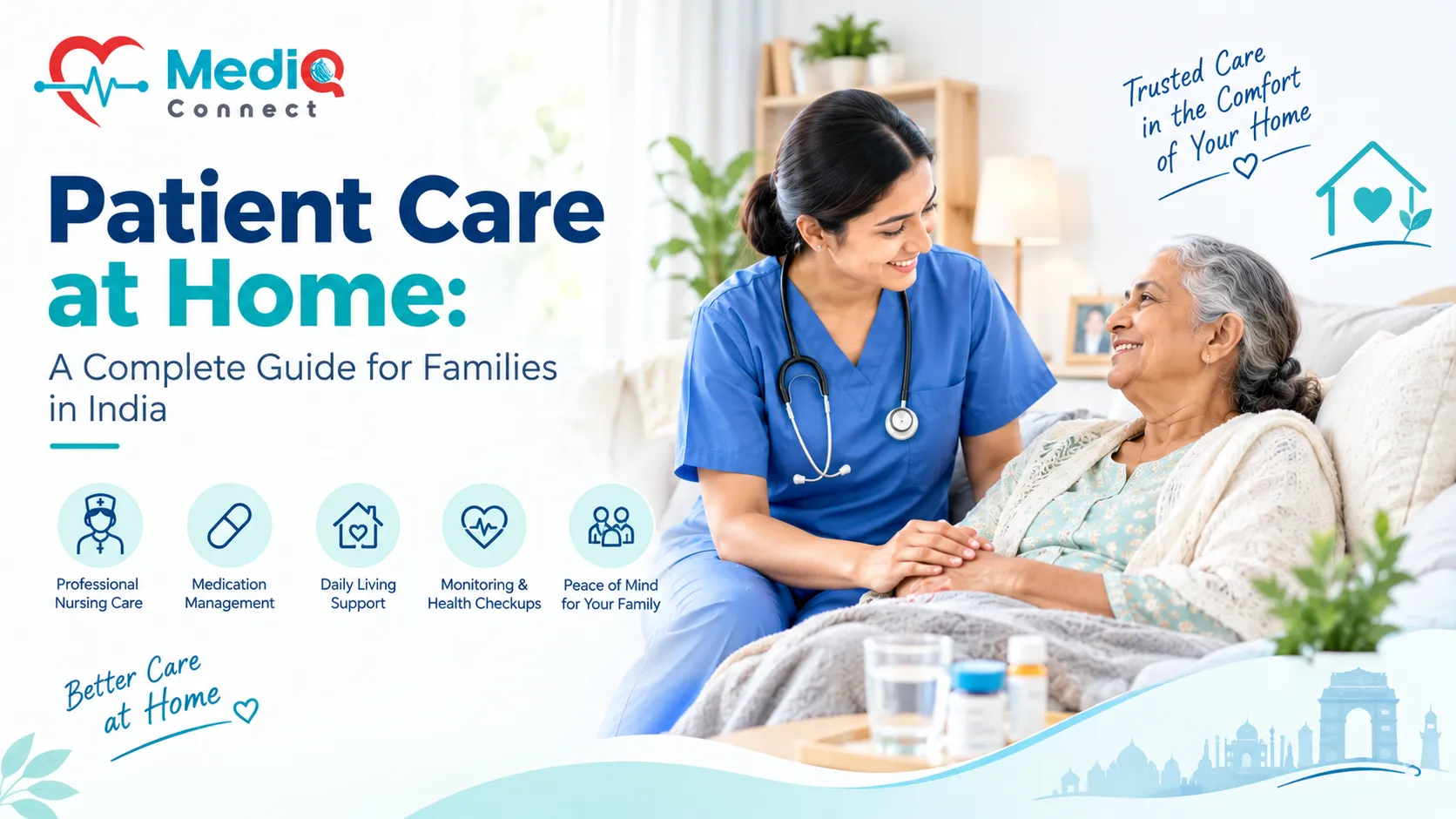
A hospital discharge is supposed to feel like good news - and it is - but it often arrives with a quiet, unspoken question: now what? Someone still needs help getting to the bathroom, managing medication schedules, changing a dressing, or simply not being left alone all day during a vulnerable recovery period. That gap between "medically stable enough to leave" and "fully able to manage independently" is exactly where home-based care steps in.
This guide walks through what genuinely good patient care at home looks like - the different types of providers, what to expect for common situations like post-surgery recovery or elderly support, realistic costs, and how to choose a provider you can actually trust with someone you love, at a moment when trust matters more than almost anything else.
Home Care After Childbirth
New mothers, particularly after a C-section, often need meaningful support during the initial weeks of recovery - a period where physical healing and newborn care demands overlap significantly.
- Wound care and monitoring for the mother, alongside general recovery support
- Assistance with newborn feeding routines, especially during the exhausting first few weeks
- Support during the physically demanding early recovery period, particularly for mobility
- Guidance on postpartum warning signs worth monitoring closely, in coordination with the delivering physician
Many families in India traditionally rely on extended family for this period, but professional home care support has become an increasingly common supplement, especially for families without nearby relatives or where medical complexity calls for more specialised support.
Transitioning From Hospital to Home Care Smoothly
The discharge process itself significantly affects how smoothly home-based care begins - a few practical steps make this transition considerably less chaotic.
- Request a detailed discharge summary from the hospital, including medication schedules and any specific care instructions
- Arrange home care support before discharge day, rather than scrambling to find a provider afterward
- Ensure any necessary equipment (hospital bed, oxygen concentrator) is set up and ready before the patient arrives home
- Share the discharge summary directly with your home care team, so they're working from the same information as the hospital
- Schedule a follow-up appointment with the treating doctor before leaving the hospital, rather than leaving it open-ended
Hospitals increasingly offer discharge planning support specifically to help coordinate this transition - ask your hospital's discharge coordinator directly about what's available before leaving.
Technology Supporting Modern Home Care
Home-based care has become considerably more connected and monitored in recent years, thanks to a few specific technology developments worth knowing about.
- Remote vital sign monitors that transmit readings directly to family members or the care team, without requiring constant in-person checks
- Video consultation platforms allowing quick doctor check-ins without an in-person visit for minor concerns
- Digital care logs, letting family members review what happened during a shift even when they weren't present
- Medication reminder apps and smart pill dispensers, reducing missed or duplicate doses
- GPS-based emergency alert systems for elderly patients living with reduced supervision
None of this technology replaces attentive, in-person care, but it meaningfully supplements it - giving families more visibility and peace of mind, particularly when they can't be physically present at all times.
Common Myths About Home Care, Debunked
Myth: Home care is only for the very wealthy
While comprehensive 24-hour nursing care is a genuine expense, many families use partial support - a few hours daily, or specific services like physiotherapy - at a considerably more accessible cost than full-time coverage.
Myth: Hospital care is always safer than home care
For stable, recovering patients, home care often reduces infection risk (hospital-acquired infections are a genuine concern) while providing comparable monitoring, especially with modern remote monitoring technology.
Myth: Family members should be able to handle care alone
Providing round-the-clock care for a recovering or chronically ill family member is genuinely demanding, both physically and emotionally. Seeking professional support isn't a failure of family duty - it's a practical, often necessary decision.
Myth: All home care attendants are equally trained
Training and qualifications vary considerably between agencies and individual attendants. Verifying specific credentials and experience is essential, not a formality, particularly for cases involving any clinical care needs.
Myth: Once home care starts, it can't be adjusted
Good care plans are reassessed regularly and adjusted as the patient's needs change - increasing or decreasing hours, adding specific services, or changing staff entirely if the fit isn't working well.
What Does "Patient Care at Home" Actually Include?
The term covers a wide spectrum, from basic daily assistance to fairly advanced medical support - understanding the range helps you identify exactly what your situation calls for.
- Personal care - bathing, dressing, grooming, toileting assistance
- Mobility support - helping with walking, transfers, repositioning to prevent bedsores
- Medication management - reminders, organising doses, tracking schedules
- Nursing tasks - wound care, injections, catheter care, vital sign monitoring
- Medical equipment support - oxygen concentrators, hospital beds, ventilators for advanced cases
- Companionship - reducing isolation, especially important for elderly or chronically ill patients living alone
Most families need a combination of these rather than a single service, which is exactly why matching the right type of provider to your specific situation matters so much.
Government and Insurance Support for Home Care
Beyond privately arranged services, a few structural supports are worth knowing about, particularly for managing longer-term costs.
- Some health insurance policies now include a home healthcare rider, particularly for post-hospitalisation care within a defined window after discharge
- Corporate health benefits occasionally extend to family members' home care needs - worth checking with HR if applicable
- Government schemes in some states offer subsidised elderly care support, though availability and eligibility vary significantly by region
- Tax deductions under Section 80D and 80DD may apply to certain medical and disability-related home care expenses - consult a tax advisor for specifics relevant to your situation
These supports rarely cover the full cost of comprehensive home care, but combined, they can meaningfully offset the financial burden for many families.
Building a Care Team: Coordinating Multiple Providers
More complex cases often involve multiple providers working together - an attendant, a visiting nurse, a physiotherapist, and a doctor - and coordinating between them well makes a genuine difference to outcomes.
- Maintain a shared, updated record of the patient's condition, medications, and any changes, accessible to everyone involved
- Designate one family member as the primary point of contact to avoid conflicting instructions reaching different providers
- Schedule periodic check-ins between providers when the case is complex enough to warrant it, rather than each working in isolation
- Keep the treating hospital or primary physician informed of the overall home care plan, particularly for complex medical cases
A little coordination effort upfront prevents the kind of communication gaps that can genuinely affect care quality - this becomes especially important and valuable as the number of people involved in a case grows larger.
Home Care for Specific Conditions
A few conditions have specific home care considerations worth understanding beyond general principles.
Stroke Recovery
Often requires coordinated physiotherapy, speech therapy (if affected), and mobility support, alongside monitoring for recurrence risk factors like blood pressure.
Cancer Care
May include post-chemotherapy support, pain management, nutritional guidance, and emotional support - often coordinated closely with the treating oncologist.
Cardiac Recovery
Typically involves activity-level guidance, medication management, and monitoring for warning signs, often following a structured cardiac rehabilitation protocol.
Post-Fracture/Orthopaedic Recovery
Focuses on mobility support, physiotherapy coordination, and fall prevention during the vulnerable recovery period.
Each of these benefits from a home care provider with specific relevant experience - ask directly about a prospective agency's experience with your particular condition rather than assuming general training covers it adequately.
Preparing Your Home for Patient Care
A few practical home modifications can significantly improve both safety and the effectiveness of home-based care, particularly for mobility-limited patients.
- Clear walkways and remove trip hazards like loose rugs or clutter
- Install grab bars in bathrooms, particularly near the toilet and shower
- Ensure adequate lighting, especially along routes used at night
- Consider a ground-floor setup if stairs pose a significant fall risk
- Keep emergency contact numbers and medical information visibly posted for any caregiver or emergency responder
These changes don't need to be expensive or extensive - even simple, low-cost adjustments meaningfully reduce fall risk and make daily caregiving tasks considerably easier and genuinely safer for everyone involved in the process.
Cultural Considerations in Indian Home Care
Home care in India often involves specific cultural and family dynamics worth acknowledging directly, since they genuinely shape how care is best delivered.
- Multi-generational households often mean several family members are involved in care decisions - clear communication among them all matters
- Language and regional comfort matter significantly - a caregiver who speaks the patient's preferred language considerably eases daily interaction
- Dietary preferences and restrictions, including religious considerations, should be clearly communicated to any caregiver managing meals
- Gender preferences for personal care tasks are common and reasonable to request when arranging a provider
A good home care agency will proactively ask about these preferences upfront rather than assuming a generic, one-size-fits-all approach works equally well for every single family.
Types of Home Care Providers - Attendant vs Nurse vs Doctor
These roles get used loosely and interchangeably, but they represent genuinely different levels of training and scope.
Patient Care Attendant / Caregiver
Provides non-medical daily support - bathing, feeding, mobility assistance, companionship. Some receive basic training in monitoring vital signs and reporting changes, but they don't perform clinical procedures.
Home Nurse (GNM/BSc Nursing qualified)
Trained and licensed to perform clinical tasks - wound dressing, injections, IV management, catheter care, and closer medical monitoring. Appropriate for patients with genuine ongoing medical needs beyond daily assistance.
Home Visit Doctor
For diagnosis, prescription changes, or medical assessment that a nurse or attendant isn't qualified to provide. Typically scheduled periodically rather than daily, alongside ongoing attendant or nursing support.
Many home care situations use a combination - a daily attendant for routine support, with periodic nurse visits for clinical tasks and doctor visits for medical decisions.
Questions to Ask When Interviewing a Home Care Agency
A structured set of questions during your initial calls helps you compare agencies fairly and thoroughly before committing.
- How are your caregivers trained, and what specific certifications do they hold?
- What background verification do you conduct before placing staff with a family?
- How do you handle a situation where the assigned caregiver and patient aren't a good match?
- What's your protocol if a medical emergency happens during a shift?
- Can I speak directly with the assigned caregiver before the first day of service?
- What's included in your quoted price, and what might be billed separately?
An agency that answers these questions confidently and specifically - rather than with vague reassurances - is generally a stronger, more trustworthy choice.
When Home Care Isn't the Right Fit
Despite its genuine benefits, home-based care isn't appropriate for every situation, and recognising this honestly matters as much as knowing when it works well.
- Patients requiring intensive, continuous medical monitoring beyond what home equipment and staff can safely provide
- Situations where the home environment itself poses safety risks that can't be reasonably modified
- Cases where family conflict or an unstable home situation would compromise consistent care
- Acute medical emergencies, which always require immediate hospital-level care rather than home-based support
A good home care agency, and your treating doctor, should be honest about these limits rather than accepting a case they genuinely can't support safely - this honesty is itself a sign of a trustworthy provider.
A Realistic Week in Home-Based Recovery Care
To make this less abstract, here's what a typical week might look like for a patient recovering from surgery with a combination of attendant and nursing support.
- Daily: Attendant support for personal hygiene, meals, and mobility assistance (8–12 hours)
- 2–3 times weekly: Nurse visit for wound check and dressing change
- Once weekly (initially): Physiotherapy session to support mobility recovery
- As needed: Video consultation with the treating doctor for any concerns arising between scheduled visits
- Ongoing: Family involvement in meal planning, emotional support, and overall care coordination
This kind of structured, layered approach - rather than a single provider trying to cover everything - tends to produce both better outcomes and a more sustainable arrangement for the family.
Who Benefits Most From Home-Based Care?
While home care can support almost any recovery or chronic condition, a few situations consistently benefit the most.
- Post-surgical patients needing wound care and mobility support during recovery
- Elderly individuals with declining mobility or early cognitive changes, needing daily assistance and safety supervision
- Patients with chronic conditions (diabetes, heart disease, kidney disease) requiring ongoing monitoring
- Palliative or terminally ill patients preferring the comfort and familiarity of home over an extended hospital stay
- New mothers recovering from delivery, particularly after a C-section, needing help with mobility and newborn care simultaneously
- Patients with paralysis, stroke recovery, or other conditions requiring long-term rehabilitation support
Across all of these, the common thread is a genuine need for consistent, hands-on support that goes beyond what family members alone can safely or sustainably provide - which is exactly the gap well-organised patient care at home is designed to fill.
Post-Surgery Recovery Care at Home
The days and weeks immediately after surgery are often when home support matters most, and a well-structured plan meaningfully affects recovery speed and safety.
- Wound care and dressing changes, monitored for signs of infection
- Pain management support, including medication scheduling and communication with the surgical team if concerns arise
- Mobility assistance to prevent falls while strength and balance are still recovering
- Monitoring for post-surgical complications - unusual swelling, fever, or unexpected pain - with clear escalation to the surgical team if needed
- Nutritional support, since proper diet significantly affects healing speed
Most surgeons and hospitals now actively recommend structured home support for at least the first one to two weeks after any significant procedure, recognising it meaningfully reduces readmission risk and generally leads to a smoother, more comfortable overall recovery experience for the patient.
Elderly and Long-Term Care at Home
For ageing family members, home care often represents a middle ground between full independence and moving to an assisted living facility - preserving dignity and familiar surroundings while ensuring safety.
- Daily living assistance - bathing, dressing, meal preparation, medication reminders
- Fall prevention support, particularly important given how significantly falls affect elderly health outcomes
- Companionship, addressing the very real risk of isolation and its effects on both mental and physical health
- Coordination with family members and doctors to keep everyone informed of changes in condition
- Support for early-stage dementia or cognitive decline, including routine and safety supervision
Long-term elderly care works best with consistency - the same attendant or small team over time builds genuine familiarity and trust that meaningfully improves both safety and the elderly person's overall wellbeing and sense of security in their own home.
Palliative and End-of-Life Care at Home
For patients with a terminal or serious life-limiting illness, home-based palliative care allows the focus to shift toward comfort, dignity, and quality time with family, in familiar surroundings rather than a hospital ward.
- Pain and symptom management, coordinated closely with the patient's physician
- Emotional and spiritual support for both the patient and family members
- Nursing support for comfort-focused care - positioning, hygiene, and monitoring
- Guidance and support for family members navigating a genuinely difficult time
This is one of the most emotionally significant applications of home-based care, and choosing a provider with specific palliative care experience and a genuinely compassionate approach matters enormously in this particular context, more than almost any other type of home care arrangement.
Home Care for Chronic Disease Management
Conditions like diabetes, heart disease, and chronic kidney disease often benefit from consistent, ongoing monitoring that's difficult to maintain through occasional clinic visits alone.
- Regular vital sign monitoring - blood pressure, blood sugar, oxygen levels - with trend tracking over time
- Medication management for often-complex multi-drug regimens
- Dietary guidance and support for conditions where diet significantly affects disease management
- Early identification of concerning changes, allowing for prompt medical intervention before a crisis develops
Consistent home monitoring often catches subtle warning signs - a gradual blood pressure trend, for instance - well before they'd be noticed at a periodic clinic visit alone, giving doctors a genuine head start on adjusting treatment before a more serious problem develops.
What a Typical Home Care Plan Looks Like
A well-structured plan is built around your specific situation, not a generic template - but most good plans include a few common elements.
- An initial assessment of the patient's specific needs, mobility level, and medical conditions
- A clear schedule - hours per day, specific tasks, and who's responsible for what
- A defined escalation plan - what happens if something concerning comes up outside scheduled hours
- Regular communication with family members, especially those not present day-to-day
- Periodic reassessment as the patient's needs change over the course of recovery or ongoing care
Ask any prospective provider to walk you through exactly how they build and adjust a care plan over time - a vague or generic answer here is worth noting carefully as you compare options across different agencies.
Costs of Patient Care at Home in India
Costs vary by city, hours of care needed, and the level of medical training required, but here's a realistic range.
- Non-medical attendant (8–12 hours/day): ₹15,000–₹30,000 per month
- 24-hour attendant coverage: ₹25,000–₹50,000 per month, often requiring two attendants in shifts
- Trained home nurse (per visit or hourly): ₹500–₹1,500 per visit, or ₹35,000–₹60,000 per month for full-time coverage
- Specialised nursing (ICU-level, ventilator care): ₹60,000–₹1,20,000+ per month
- Physiotherapy home visits: ₹500–₹1,200 per session
- Doctor home visits: ₹800–₹2,500 per visit, depending on urgency and specialisation
Costs vary meaningfully by city and specific agency, so treat these as planning ranges rather than fixed prices - always get a written breakdown of exactly what's included before committing to any particular provider or service package.
How to Choose a Trustworthy Home Care Provider
Since home care involves someone entering your home and caring for a vulnerable family member, trust and verification matter enormously.
- Verify staff are background-checked, with police verification specifically for anyone providing overnight or unsupervised care
- Confirm the specific qualifications of anyone performing clinical tasks - ask for nursing registration details, not just "trained staff"
- Ask how staff are matched to specific cases, and whether you can request a replacement if the fit isn't right
- Check what happens in a medical emergency - is there a clear escalation protocol and 24/7 support line?
- Read reviews specifically mentioning reliability, punctuality, and how the agency handled any problems that arose
A reputable agency will answer all of these questions clearly and proactively, without hesitation - vagueness or defensiveness, particularly around background verification and staff credentials, is a meaningful warning sign worth taking seriously before you commit.
Red Flags to Watch For
A few warning signs are worth taking seriously when evaluating any home care provider.
- No willingness to provide verifiable staff credentials or background check documentation
- Unusually low pricing with no clear explanation of how staff are compensated
- No clear communication protocol or emergency escalation plan
- Reluctance to allow you to meet or interview the specific caregiver before starting
- No written care plan or service agreement, relying instead on verbal arrangements alone
Trust your instincts here - this is a situation where a little extra diligence upfront genuinely protects someone vulnerable, and it's well worth the additional time and effort it takes to verify everything properly before starting.
Equipment Commonly Used for Home Care
Depending on the patient's condition, certain equipment may be needed alongside caregiving support - most home care agencies can arrange rental or purchase.
- Hospital beds with adjustable positioning, for patients with limited mobility
- Oxygen concentrators, for patients with respiratory conditions
- Wheelchairs and mobility aids
- Patient monitors for vital sign tracking
- Wound care supplies and equipment for post-surgical or chronic wound management
Renting equipment, rather than purchasing outright, is often the more practical and cost-effective choice for shorter-term needs like post-surgery recovery, while long-term conditions may genuinely justify the investment in owned equipment instead.
Supporting the Family Caregiver, Not Just the Patient
Family members providing or coordinating care often experience significant stress themselves - this is a genuine, well-documented phenomenon worth acknowledging directly, not a sign of failing to cope.
- Professional home care support directly reduces caregiver burnout by sharing the physical and logistical load
- Respite care - even just a few hours of professional coverage - gives family caregivers essential breaks
- Clear communication from the care team reduces the anxiety of constantly wondering how things are going
- Support groups and counselling, sometimes offered through hospital or agency programmes, can genuinely help family members processing a difficult diagnosis or prognosis
Taking care of the person providing care isn't a luxury - it's genuinely what allows sustainable, good-quality support for the patient over the actual full duration of their recovery or ongoing condition.
How MediQConnect Supports Patient Care at Home
Coordinating attendants, nurses, doctor visits, and equipment across multiple providers is a lot to manage on top of an already stressful situation. MediQConnect brings key pieces of this together to make patient care at home more manageable for families.
- Verified doctors available for home visits when medical assessment or a prescription change is needed
- Video consultation options for quick medical guidance between in-person visits
- A directory of verified specialists for coordinated care alongside your home nursing or attendant support
- Transparent consultation fees, so there are no surprises when arranging medical support
Whether you need a doctor's periodic assessment or specialist coordination alongside your existing home care arrangement, MediQConnect helps you find and book verified medical support without the usual back-and-forth phone calls and scheduling hassle.
For the specific medical-visit component of home care, see our detailed guide to doctor consultation at home in Rajkot, covering how in-home doctor visits work end to end.
For quick guidance between scheduled visits, our guide to video consultation with a doctor in Rajkot explains when a video consult is the right choice.
You can also browse verified doctors near me in Rajkot across all specialities for coordinated care alongside home nursing support.
For chronic condition management specifically, our guide to finding a diabetes doctor in Rajkot may also be relevant if that's part of your home care plan.
Frequently Asked Questions
What is included in patient care at home services?
Services typically range from non-medical daily support - bathing, feeding, mobility assistance - to clinical nursing tasks like wound care and medication management, depending on the patient's specific needs and the provider's qualifications.
How much does 24-hour home care cost in India?
Typically ₹25,000 to ₹50,000 per month for non-medical attendant coverage, and considerably more - ₹60,000 to over ₹1,20,000 - for specialised nursing care like ventilator support, depending on the city and specific requirements.
What's the difference between a home nurse and a caregiver attendant?
A home nurse is a licensed medical professional trained to perform clinical tasks like injections and wound care. A caregiver attendant provides non-medical daily support like bathing, feeding, and mobility assistance, without clinical training.
Is home care safe for elderly patients with dementia?
Yes, with the right provider - look specifically for staff experienced in dementia care, since it requires particular patience and specific safety awareness beyond general elderly care training.
How do I verify a home care provider is trustworthy?
Confirm background verification (including police checks) for all staff, ask for specific credentials for anyone performing clinical tasks, and check for a clear emergency escalation protocol before committing to a provider.
Can home care replace hospital care entirely?
For many recovering or chronically ill patients, yes - but home care isn't appropriate for situations requiring intensive hospital-level monitoring or emergency intervention. A doctor can help assess whether a specific patient is a good candidate for home-based care.
Does insurance cover home nursing care in India?
Coverage varies by policy - some health insurance plans now include home healthcare benefits, particularly for post-hospitalisation care, but many still require in-hospital treatment for reimbursement. Check your specific policy terms directly.
How quickly can home care be arranged after a hospital discharge?
Reputable agencies can often arrange attendant or nursing support within 24 to 48 hours, and sometimes same-day for urgent situations - it's worth starting the conversation with a provider before discharge day itself, if possible.
A Quick Reference Checklist
Keep this condensed checklist handy when arranging home care for yourself or a family member.
- ✔ Clear assessment of what type of support is needed (personal care, nursing, or both)
- ✔ Verified staff credentials and background checks
- ✔ Written care plan with defined hours, tasks, and cost breakdown
- ✔ Clear emergency escalation protocol
- ✔ Regular communication schedule with family members
- ✔ Periodic reassessment built into the plan as needs change
A provider checking most of these boxes is very likely a strong, trustworthy choice for your family's specific situation.
Final Thoughts for Families Just Starting This Journey
If you're arranging patient care at home for the first time, it's completely normal to feel overwhelmed by the number of decisions involved - provider selection, cost planning, coordinating with hospitals, and simply processing the emotional weight of a loved one needing this kind of support.
Take it one step at a time: start with an honest assessment of what's actually needed, verify credentials carefully, and don't hesitate to adjust the plan as circumstances inevitably change. Most families find that a well-chosen home care arrangement, once properly established, becomes a genuine source of relief rather than an added source of ongoing stress.
Conclusion: Care That Fits Into Real Life
Good patient care at home isn't just about medical tasks - it's about helping someone recover, age, or manage a condition with genuine dignity, in the comfort of familiar surroundings, without placing an unsustainable burden on family members. Taking the time to choose the right provider, verify their credentials, and build a clear care plan makes a real, lasting difference to how that experience unfolds.
When medical coordination is part of your home care picture - doctor visits, specialist referrals, or quick guidance between appointments - MediQConnect makes it simple to find verified support.
Need medical support as part of your home care plan? view doctors across specialities on MediQConnect and book a consultation today.