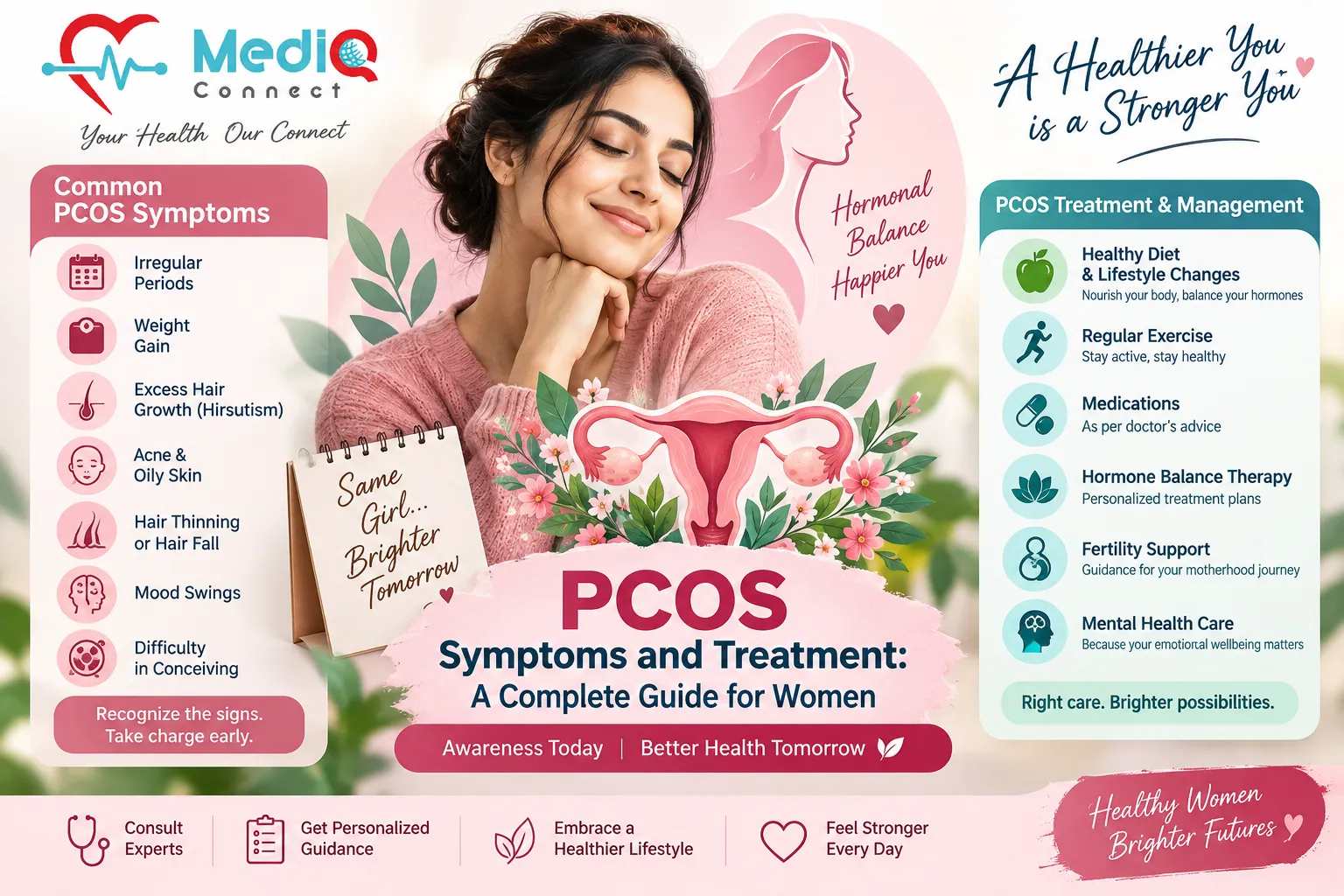



PCOS Symptoms and Treatment: A Complete Guide for Women
Polycystic Ovary Syndrome, more commonly known as PCOS, affects a significant number of women during their reproductive years, yet it remains widely misunderstood, even among people who have lived with it for years without a clear diagnosis.
Understanding PCOS symptoms and treatment starts with recognising that PCOS looks different from person to person. Two women with the same diagnosis can have noticeably different symptoms, which is part of why it so often goes unrecognised for years.
This guide walks through what PCOS actually is, the symptoms worth paying attention to, how it is typically diagnosed, and what general treatment approaches look like, so you can have an informed conversation with a gynecologist rather than relying on guesswork.
What Is PCOS?
PCOS is a hormonal condition that affects how the ovaries function. It is characterised by a combination of irregular ovulation, elevated levels of androgens (often described as male-type hormones), and, in some cases, multiple small follicles visible on the ovaries during an ultrasound.
Despite the name, not every woman with PCOS actually has cysts on her ovaries, and not every woman with ovarian cysts has PCOS. The condition is diagnosed based on a combination of symptoms and test results, not a single finding alone.
Discussions of PCOS symptoms and treatment often start here, because the variability in how PCOS presents is exactly why a proper medical evaluation matters more than comparing symptoms with friends or online forums.
PCOS in Teenagers
Diagnosing PCOS in teenagers requires extra care, since irregular periods and some acne are common in the first couple of years after a girl's first period, even without PCOS being present.
Gynecologists typically look for a combination of persistent symptoms over time, rather than diagnosing PCOS based on a single irregular cycle or occasional breakout. If PCOS runs in the family, mentioning this during a teenager's consultation can help guide earlier evaluation.
Early awareness, without unnecessary alarm, helps teenagers understand their bodies better and normalises regular gynecological care as a standard part of health, not something reserved only for serious problems.
General Lifestyle Support for PCOS
Lifestyle factors are commonly discussed as part of PCOS management, though they typically work best as a complement to medical care rather than a replacement for it.
A balanced, consistent approach to nutrition and regular physical activity is generally associated with improved insulin sensitivity, which can help with several PCOS symptoms over time. A doctor or registered dietitian can offer guidance suited to your specific situation rather than generic advice found online.
Consistent sleep and stress management are also commonly recommended, since both can influence the hormonal balance involved in PCOS. None of these changes are a guaranteed fix on their own, and they work best as part of a broader plan built with your gynecologist.
Why Tracking Your Symptoms Helps
Keeping a simple record of your cycle, skin changes, weight, and any new symptoms makes conversations with your gynecologist far more productive, since patterns become obvious on paper that are easy to miss from memory alone.
Even a basic tracking habit kept for a couple of months before your appointment gives your gynecologist concrete data to work with, which can speed up both diagnosis and evaluating how well a treatment plan is working over time.
PCOS vs. PCOD: Clearing Up a Common Confusion
In India, the terms PCOS and PCOD are often used interchangeably, but they are not identical, and understanding the difference is a useful part of any discussion of PCOS symptoms and treatment.
PCOD, or polycystic ovarian disease, generally refers to a condition where the ovaries release immature or partially mature eggs, often linked to lifestyle factors, and is usually considered less severe. PCOS is a broader hormonal and metabolic condition involving insulin resistance and elevated androgens, with more significant potential health implications.
Because the two terms overlap so much in everyday use, the most reliable way to know which applies to you is a proper evaluation by a gynecologist, rather than relying on how a symptom or diagnosis was casually described to you.
Understanding Insulin Resistance in PCOS
Insulin resistance is one of the most important, and often least understood, pieces of the PCOS symptoms and treatment picture. It means the body's cells do not respond to insulin as effectively as they should, prompting the pancreas to produce more insulin to compensate.
Elevated insulin levels can, in turn, stimulate the ovaries to produce more androgens, which contributes to many of the classic PCOS symptoms like irregular periods, acne, and excess hair growth. This is part of why insulin-focused treatments are so commonly discussed alongside hormonal ones.
Not every woman with PCOS has significant insulin resistance, which is another reason testing matters. Your gynecologist may recommend specific blood tests to assess this as part of building your treatment plan.
How Common Is PCOS?
PCOS is considered one of the most common hormonal conditions affecting women of reproductive age, though exact prevalence estimates vary across studies and populations. Many cases likely go undiagnosed, particularly when symptoms are mild or attributed to other causes.
This underdiagnosis is part of why raising awareness around PCOS symptoms and treatment matters. Women who understand the common signs are more likely to seek an evaluation earlier, rather than living with unexplained symptoms for years.
Common Symptoms of PCOS
PCOS symptoms vary widely between individuals, and no single symptom confirms the diagnosis on its own. Recognising the pattern, rather than any one sign, is what matters most.
Irregular or Absent Periods
One of the most common signs discussed in PCOS symptoms and treatment conversations is irregular ovulation, which shows up as infrequent, unpredictable, or absent menstrual cycles.
Excess Hair Growth (Hirsutism)
Elevated androgen levels can lead to excess hair growth on the face, chest, or back, a symptom many women find distressing and are hesitant to discuss, even with a doctor.
Acne and Oily Skin
Hormonal fluctuations associated with PCOS often contribute to persistent acne, particularly along the jawline, that does not respond well to typical over-the-counter treatments.
Hair Thinning on the Scalp
Some women experience thinning hair or a pattern of hair loss similar to male-pattern baldness, caused by the same hormonal imbalance driving other PCOS symptoms.
Weight Changes and Difficulty Managing Weight
Many women with PCOS notice weight gain, particularly around the abdomen, or find it more difficult than expected to manage their weight, often linked to underlying insulin resistance.
Difficulty Conceiving
Because PCOS often disrupts regular ovulation, it is one of the more common causes of difficulty conceiving, and is frequently identified during a fertility evaluation.
Skin Darkening
Some women notice patches of darkened skin, often around the neck, groin, or under the breasts, a sign sometimes linked to insulin resistance associated with PCOS.
A Quick Glossary: Terms Worth Knowing
- Androgens - hormones like testosterone that are present in higher levels in women with PCOS
- Anovulation - the absence of ovulation during a menstrual cycle
- Hirsutism - excess hair growth in a male-pattern distribution, common in PCOS
- Insulin resistance - reduced sensitivity to insulin, common in PCOS
- Rotterdam criteria - the diagnostic framework most gynecologists use to confirm PCOS
Understanding these terms makes it easier to follow along when your gynecologist explains test results or discusses a treatment plan, rather than feeling lost in unfamiliar terminology.
Does Family History Matter?
PCOS has a well-documented genetic component, and having a mother or sister with the condition increases your own likelihood of developing it. This makes family history one of the most useful pieces of context you can share during a consultation.
This does not mean PCOS is inevitable if it runs in your family, but it does help your gynecologist assess risk earlier and may prompt evaluation sooner than symptoms alone would suggest.
What Causes PCOS?
The exact cause of PCOS is not fully understood, but research points to a combination of factors that likely interact with one another rather than a single clear trigger.
- Insulin resistance, which can raise androgen production
- Elevated androgen levels, which disrupt normal ovulation
- Genetics - PCOS often runs in families
- Low-grade inflammation, which may stimulate androgen production in some women
None of these factors alone fully explain PCOS, which is part of why treatment approaches often address multiple angles at once rather than targeting a single cause in isolation.
How Is PCOS Diagnosed?
There is no single test that confirms PCOS on its own. Most gynecologists rely on a combination of criteria, commonly referred to as the Rotterdam criteria, which requires at least two of three features to be present.
- Irregular or absent ovulation
- Clinical or blood-test evidence of elevated androgens
- Polycystic-appearing ovaries seen on ultrasound
Your doctor will also rule out other conditions that can cause similar symptoms, such as thyroid disorders, before confirming a PCOS diagnosis. This is why an accurate diagnosis of PCOS symptoms and treatment planning both depend on a thorough evaluation, not a quick assumption based on one or two symptoms.
General Treatment Approaches for PCOS
There is currently no single cure for PCOS, and treatment is generally tailored to whichever symptoms bother you most and whether you are trying to conceive. The categories below are for general awareness only, not a personalised treatment plan.
- Hormonal birth control, to help regulate menstrual cycles and reduce androgen-related symptoms
- Medications to improve insulin sensitivity, commonly used for women with insulin resistance
- Anti-androgen medications, to help manage excess hair growth or acne
- Ovulation-inducing medications, for women trying to conceive
- Lifestyle support, including guidance on nutrition and physical activity from a qualified professional
A gynecologist will typically start with the symptom causing you the most concern and build a plan around that, adjusting over time based on how you respond. This individualised approach is central to how PCOS symptoms and treatment are managed in practice.
Building Confidence in Your Diagnosis
Receiving a PCOS diagnosis can feel overwhelming at first, especially given how much conflicting information exists online. It helps to remember that PCOS is well studied, widely understood by gynecologists, and manageable with the right, consistent care.
Give yourself time to process the diagnosis, ask your doctor as many questions as you need, and remember that a treatment plan can always be adjusted as you learn more about how your body responds.
Choosing Between Multiple Verified Gynecologists
It is common to find more than one verified gynecologist with similar experience treating PCOS. In these cases, small details can help you decide - consulting language, specific interest in reproductive endocrinology, or simply which time slots line up with your schedule.
There is no single "correct" choice in these situations. What matters is that every option in front of you has already cleared the same verification bar, so the decision comes down to genuine preference rather than guessing which listing can actually be trusted.
Why Consistency With One Doctor Matters
Switching gynecologists frequently often means repeating your history and restarting the diagnostic process each time, which can genuinely slow down finding an effective PCOS treatment plan.
If your current doctor is responsive, thorough, and willing to explain their reasoning, staying with them through a full evaluation and treatment cycle is usually more productive than doctor-hopping in search of a faster answer.
Data Privacy When Discussing PCOS Online
PCOS involves personal topics like fertility, weight, and hormonal symptoms, so it is reasonable to want clarity on how a platform handles this information before booking a consultation or storing records digitally.
MediQConnect outlines its approach in its published privacy policy and terms and conditions. Reviewing these briefly before your first booking is a sensible habit for sensitive health topics.
Making the Platform Easy to Use for Every Patient
A verification-first platform is only genuinely useful if booking is also simple, particularly for patients who may already feel anxious discussing symptoms like hair growth or fertility concerns. MediQConnect's search and booking flow is designed to be straightforward.
Family members can also book on behalf of a daughter, sister, or relative, which can help reduce the friction that sometimes delays a first gynecology visit for a sensitive concern like suspected PCOS.
Questions to Ask Before Starting Any Hormonal Treatment
- What specific symptom is this treatment meant to address?
- What side effects are common, and which ones should prompt a follow-up call?
- How long before we expect to see a change?
- Are there alternatives if this treatment does not suit me?
Asking these questions upfront ensures you understand not just what you are taking, but why, and what success is expected to look like.
Managing Specific PCOS Symptoms
Managing Acne
PCOS-related acne often responds differently to standard treatments because the underlying cause is hormonal rather than purely topical. A gynecologist or dermatologist may recommend treatments that address hormone levels alongside skin-specific care.
Managing Excess Hair Growth
Options for managing hirsutism range from cosmetic approaches like hair removal to medications that reduce androgen activity. Your doctor can help determine which combination suits your specific symptoms and preferences.
Managing Weight-Related Symptoms
Because insulin resistance often makes weight management more difficult for women with PCOS, a doctor or dietitian familiar with the condition can offer more effective guidance than generic weight-loss advice not tailored to hormonal factors.
Addressing each symptom individually, rather than expecting one treatment to resolve everything at once, is a realistic and common part of managing PCOS symptoms and treatment over time.
How Long Treatment Typically Takes to Show Results
Patience matters with PCOS treatment, since hormonal changes take time to show measurable effects. Most gynecologists suggest evaluating progress over a few months before deciding whether a particular approach is working.
This timeline can feel frustrating, especially when symptoms are affecting your confidence or daily life, but rushing to switch treatments too early often means restarting the evaluation process unnecessarily.
Related Conditions Sometimes Confused With PCOS
Thyroid Disorders
Both hypothyroidism and hyperthyroidism can cause irregular periods and weight changes similar to PCOS, which is why thyroid function tests are typically part of a full evaluation before confirming a PCOS diagnosis.
Congenital Adrenal Hyperplasia
This is a less common hormonal condition that can also cause excess hair growth and irregular periods. It is usually ruled out through specific blood tests during a thorough evaluation.
Cushing's Syndrome
This condition, caused by prolonged exposure to high cortisol levels, can also produce symptoms that overlap with PCOS, including weight changes and irregular cycles, though it is far less common.
None of these should be self-diagnosed based on symptoms alone. They are mentioned here so you recognise the terms if your gynecologist discusses ruling them out during your evaluation.
Supporting a Partner or Family Member With PCOS
If someone close to you is navigating a PCOS diagnosis, the most helpful thing you can often do is take their symptoms seriously rather than minimising them as "just hormones" or something to push through.
Offering practical support, such as accompanying them to appointments or helping research verified specialists, can make a genuine difference, particularly given how emotionally taxing visible symptoms and fertility concerns can be.
Long-Term Monitoring and Follow-Up Care
Managing PCOS is rarely a one-time event. Depending on which symptoms are most relevant to you, ongoing monitoring through periodic blood tests, weight tracking, or symptom check-ins helps confirm that a treatment plan continues to work as your body changes over time.
This is particularly true given the long-term health risks associated with PCOS, such as insulin resistance and cardiovascular concerns, which benefit from regular monitoring even once visible symptoms feel under control.
Staying with one gynecologist over time, rather than switching frequently, generally makes this kind of long-term monitoring more effective, since your doctor can track changes against your specific history.
Comparing MediQConnect to Generic Health Directories
- Verification: MediQConnect confirms credentials and registration before listing a gynecologist
- Fee transparency: consultation charges are displayed upfront
- Consultation options: both in-clinic and video consultation are available where offered
- Local focus: listings are specific to Rajkot, not a generic nationwide template
This structured approach means patients researching PCOS can move from information-gathering to booking a real consultation without losing trust along the way.
Addressing the Stigma Around PCOS Symptoms
Symptoms like excess hair growth, acne, and weight changes can be deeply personal, and many women feel hesitant to discuss them openly, even with a doctor, due to embarrassment or social stigma.
This hesitation often delays diagnosis for years, which matters because earlier management of PCOS symptoms and treatment generally leads to better long-term outcomes, both physically and emotionally.
A gynecologist's office is a judgment-free space built specifically for these conversations. There is no symptom too minor or embarrassing to bring up when discussing your specific PCOS symptoms and treatment needs.
How MediQConnect Approaches Medical Content Accuracy
This guide, and others across the MediQConnect blog, are written to reflect general, well-established medical information intended for education and awareness, not to replace a professional diagnosis.
Content covering topics like PCOS symptoms and treatment is reviewed for accuracy against general medical consensus, and we consistently direct readers toward a qualified gynecologist for anything specific to their individual health, since online information can never replace an actual examination.
How MediQConnect Verifies Its Gynecologists
Every gynecologist listed on MediQConnect goes through a defined onboarding process before appearing in search results, confirming their degree, state medical council registration, current practice location, and specialisation.
This matters considerably for a condition like PCOS, which often requires ongoing management with one consistent doctor rather than a single visit, so patients need real confidence in who they are building that relationship with from the start.
Common Mistakes to Avoid
- Assuming irregular periods or acne are unrelated and not worth mentioning together
- Self-diagnosing PCOS based on online symptom checklists rather than a professional evaluation
- Starting or stopping hormonal medication without medical guidance
- Trying multiple unproven remedies at once, making it hard to know what is actually helping
- Delaying a consultation out of embarrassment about symptoms like hair growth or acne
Avoiding these mistakes generally leads to a faster, clearer path toward an accurate diagnosis and an effective treatment plan.
PCOS and Fertility
PCOS is one of the leading causes of ovulatory infertility, but it does not mean pregnancy is impossible. Many women with PCOS conceive naturally, and others do so with medical support ranging from ovulation-inducing medication to assisted reproductive techniques.
If PCOS has been affecting your ability to conceive, our detailed guide on the best IVF doctor in Rajkot covers what to expect from a fertility-focused consultation and the options typically discussed.
Discussing your fertility goals openly with your gynecologist early on, even before actively trying to conceive, helps shape a more effective long-term approach to PCOS symptoms and treatment.
PCOS and Long-Term Health Risks
Beyond the symptoms that are immediately noticeable, PCOS is associated with a higher long-term risk of certain health conditions, which is part of why ongoing management matters even when symptoms feel manageable day to day.
- Type 2 diabetes, linked to insulin resistance common in PCOS
- High blood pressure and cardiovascular concerns
- Endometrial changes related to irregular ovulation
- Mood-related concerns, including anxiety and low mood
This is not intended to cause alarm, but to explain why doctors often recommend regular monitoring even once immediate symptoms are under control. Managing PCOS symptoms and treatment effectively is as much about long-term health as it is about day-to-day comfort.
Mental Health and PCOS
Living with PCOS can take an emotional toll that is easy to underestimate. Visible symptoms like acne, hair growth, or weight changes can affect self-esteem, and the uncertainty around fertility can add ongoing stress for many women.
It is worth mentioning any anxiety, low mood, or emotional distress to your gynecologist as part of your overall care, since this is a recognised part of managing PCOS symptoms and treatment, not a separate, unrelated concern.
If emotional symptoms feel significant or persistent, your gynecologist may also suggest involving a mental health professional as part of a broader care team.
When to Consider a Second Opinion
If a proposed treatment plan does not feel right, or symptoms persist despite following medical advice, seeking a second opinion is a reasonable step. This is especially common for PCOS, given how individualised treatment plans tend to be.
When seeking a second opinion, bring your existing test results and treatment history so the second gynecologist can build on what has already been tried rather than starting from scratch.
Understanding Consultation Costs
Gynecology consultation fees vary based on experience, and PCOS evaluations often involve additional tests like blood work and ultrasounds, which are usually billed separately from the consultation itself.
MediQConnect displays consultation charges upfront on each doctor's profile, so you can plan and compare before booking. If you have health insurance, confirm in advance whether PCOS-related consultations and tests are covered under your specific policy.
A Quick Checklist Before Your Appointment
- Note your last three to six cycle start dates, if you can recall or find them
- List any medications or supplements you are currently taking
- Write down symptoms like acne, hair growth, or weight changes, even if they seem unrelated
- Note whether PCOS runs in your family
- Prepare two or three specific questions you want answered during the visit
In-Clinic vs. Video Consultation for PCOS Concerns
Many patients feel more comfortable discussing hormonal or skin-related symptoms in person, but a video consultation is a reasonable first step for an initial discussion, especially to review your history and decide what tests are needed.
Physical examinations and ultrasounds will still require an in-clinic visit, but video consultations can save time for follow-ups or discussing test results once the initial evaluation is complete. MediQConnect lists which gynecologists offer video consultation alongside in-clinic visits.
Myths and Facts About PCOS
- Myth: PCOS means you cannot get pregnant. Fact: Many women with PCOS conceive naturally or with medical support.
- Myth: You need visible ovarian cysts to have PCOS. Fact: Diagnosis is based on a combination of symptoms and tests, not cysts alone.
- Myth: PCOS only affects overweight women. Fact: PCOS occurs in women of all body types, though weight can influence symptom severity.
- Myth: There is nothing you can do to manage PCOS. Fact: A range of treatments and lifestyle support can meaningfully reduce symptoms.
Clearing up these misconceptions is a core part of any honest discussion of PCOS symptoms and treatment, since inaccurate assumptions often delay women from seeking the evaluation they need.
How MediQConnect Helps You Find the Right Gynecologist
Finding a gynecologist experienced in managing PCOS should not add stress to an already complex situation. MediQConnect lists verified gynecologists across Rajkot, with clear registration details, experience, and consultation fees displayed upfront.
You can compare specialists, check availability, and choose between an in-clinic visit or a video consultation. Our detailed guide on the best gynecologist in Rajkot covers what to look for before booking a consultation.
Every listed doctor goes through a verification process before appearing in search results, which matters considerably when discussing something as personal and often long-term as PCOS symptoms and treatment planning.
What to Expect at Your First PCOS Consultation
Bring a record of your recent cycle history if you have one, along with notes on any symptoms like acne, hair growth, or weight changes, since these details give your doctor a much clearer starting point.
Be prepared to discuss your family history, since PCOS often runs in families, along with your current medications and whether you are currently trying to conceive.
Do not feel embarrassed about any part of this conversation. Gynecologists discuss these exact symptoms daily, and being thorough and honest leads to a faster, more accurate diagnosis.
Preparing Questions for Your Doctor
- Based on my symptoms, how confident are you in a PCOS diagnosis?
- What tests do you recommend, and what will they tell us?
- Which symptom should we prioritise treating first?
- How will PCOS affect my ability to conceive, if that is a concern for me?
- What long-term monitoring will I need going forward?
Writing these down beforehand ensures nothing important gets forgotten during the appointment itself.
People Also Ask
What are the early signs of PCOS?
Early signs often include irregular periods, acne, excess hair growth, and difficulty managing weight. Symptoms vary between individuals, so a proper evaluation is needed to confirm a diagnosis.
Can PCOS be cured?
There is currently no cure for PCOS, but symptoms can be effectively managed through a combination of medical treatment and lifestyle support tailored to your specific situation.
Does PCOS always cause infertility?
No. PCOS can make ovulation less predictable, which may affect fertility, but many women with PCOS conceive naturally or with medical support such as ovulation-inducing medication.
What tests are used to diagnose PCOS?
Diagnosis typically involves a review of symptoms, blood tests to check hormone levels, and a pelvic ultrasound to examine the ovaries, following the Rotterdam criteria used by most gynecologists.
Is PCOS the same as ovarian cysts?
No. PCOS is a hormonal condition that may involve small follicles on the ovaries, but it is diagnosed based on a combination of symptoms and tests, not the presence of cysts alone.
Can lifestyle changes help manage PCOS?
Yes, for many women. Nutrition and physical activity guidance from a qualified professional can help manage insulin resistance and other symptoms, though this is usually combined with medical treatment rather than used alone.
At what age can PCOS be diagnosed?
PCOS is most commonly diagnosed in the late teens through the 20s and 30s, though symptoms can appear soon after a girl's first period. Diagnosis in adolescence is approached carefully, since some irregularity is normal at that age.
Can PCOS go away on its own?
PCOS is generally a long-term condition rather than something that resolves on its own, though symptoms can be effectively managed, and some symptoms may lessen with treatment or after pregnancy.
What is the difference between PCOS and PCOD?
PCOD is often considered a milder condition linked to lifestyle factors, while PCOS is a broader hormonal and metabolic condition. The terms are often used interchangeably in everyday conversation, but a doctor can clarify which applies to you.
Does PCOS increase the risk of other health conditions?
Yes, PCOS is associated with a higher long-term risk of type 2 diabetes, cardiovascular concerns, and endometrial changes, which is why ongoing monitoring is often recommended even after symptoms are managed.
Can teenagers be diagnosed with PCOS?
Yes, though diagnosis in teenagers requires extra care, since some symptom overlap with normal adolescent development. Gynecologists typically look for persistent symptoms over time rather than diagnosing based on a single cycle.
Final Thoughts
PCOS is common, manageable, and not something to navigate alone based on internet research. Understanding PCOS symptoms and treatment gives you the context to recognise when an evaluation is worthwhile, and what to expect once you have a diagnosis.
If you suspect you may have PCOS, consider booking a consultation with a verified gynecologist in Rajkot through MediQConnect. A proper evaluation is the most reliable way to understand what is happening and build an effective, personalised treatment plan.
Note: This article is written for general education and awareness. It is not a substitute for medical diagnosis or treatment. If you suspect you have PCOS, please consult a qualified gynecologist for an evaluation specific to your situation.
Have Questions About This Article?
Reach out with your inquiry and our team will get in touch with you shortly.