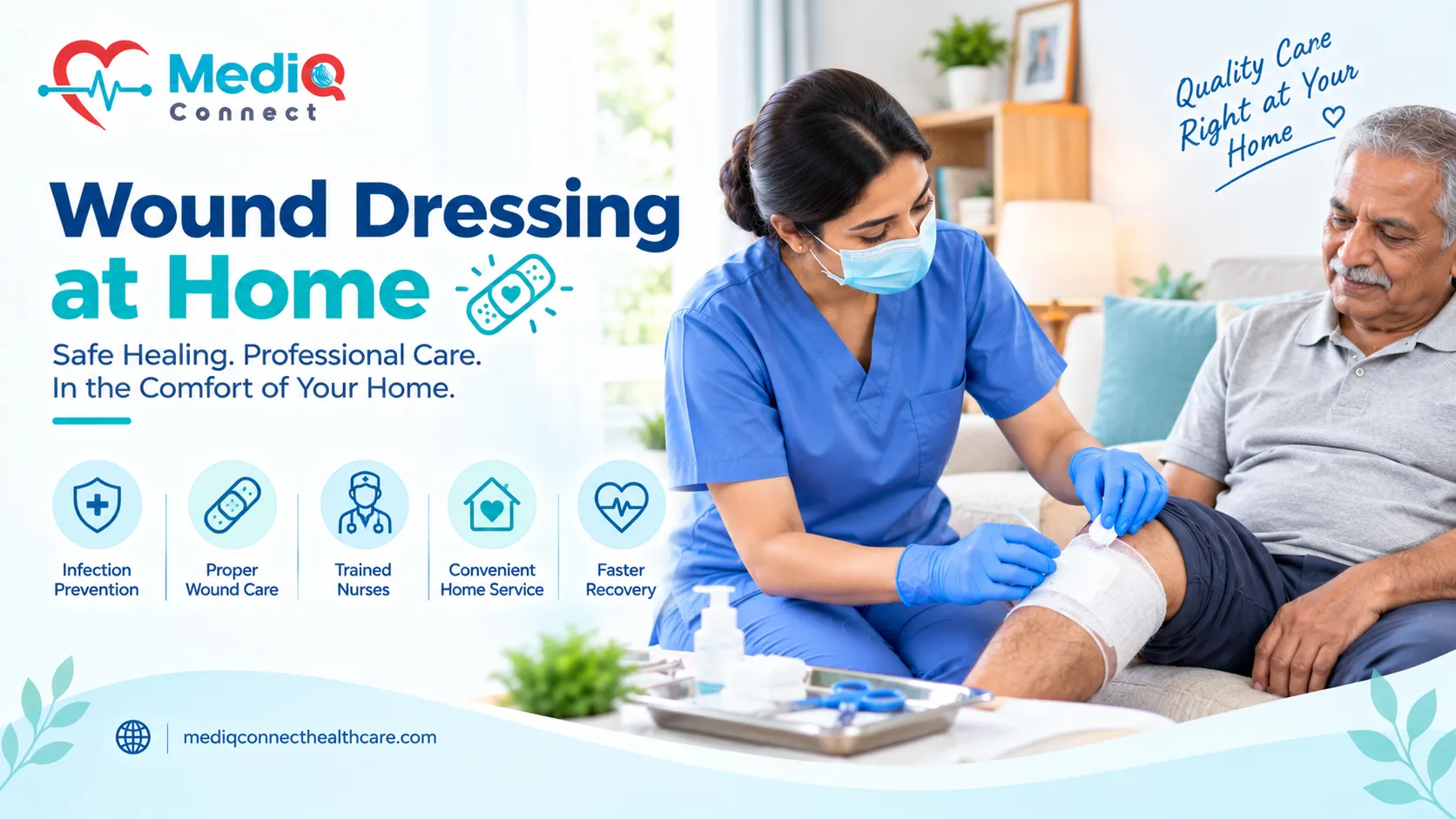



Wound Dressing at Home: Step-by-Step Guide for Safe Wound Care
A quick safety note before anything else: this guide covers wound dressing at home for minor to moderate wounds that a doctor or nurse has already assessed and cleared for home care. It is not a substitute for professional medical advice, and it does not cover severe wounds, deep punctures, burns, heavily bleeding injuries, or wounds showing signs of infection, all of which need a healthcare provider's attention, not a home routine.
That distinction matters more than it might seem at first glance. A wound that looks manageable on day one can change quickly, and the goal of this guide is to help you recognise that shift early, not to encourage handling everything independently regardless of how the wound is actually progressing.
With that said, once a wound has been properly assessed, correct wound dressing at home genuinely matters. Done well, it prevents infection, speeds up healing, and reduces scarring. Done poorly, even a simple wound can become a serious complication.
Families increasingly prefer managing recovery at home rather than making repeated trips to a clinic for something as routine as a dressing change, and that preference makes sense when the underlying process is well understood. The goal of this guide is exactly that: to make wound dressing at home feel like a manageable, confident routine rather than a source of ongoing anxiety.
This guide walks through the supplies you need, a clear step-by-step process, how often to change a dressing, and, most importantly, the specific warning signs that mean it is time to stop managing wound dressing at home and call a doctor. We will also cover how MediQConnect can connect you with a qualified home nurse when professional wound care is the safer choice.
None of this replaces the specific instructions your own doctor or nurse has given you for your particular wound. Where general guidance and your provider's specific instructions differ, always follow what you were told directly, since they have assessed your exact situation in a way this article cannot.
What Does Wound Dressing at Home Actually Involve?
Wound dressing at home means cleaning, protecting, and covering a wound using appropriate materials, following the same principles a nurse would use in a clinical setting, adapted for a home environment. It typically includes removing the old dressing, cleaning the wound, inspecting it for changes, and applying a fresh, appropriate dressing.
This is different from simply "putting on a bandage." Proper wound dressing at home requires clean technique, the right dressing material for the wound type, and consistent monitoring for early signs of infection or delayed healing.
Most people needing wound dressing at home are recovering from minor surgery, managing a healing injury, or caring for a chronic wound under a doctor's ongoing guidance, not treating something entirely undiagnosed on their own.
Understanding the Stages of Wound Healing
Knowing what normal healing actually looks like makes it much easier to spot a genuine problem during wound dressing at home. The first stage, inflammation, happens in the initial days and involves some redness, mild swelling, and warmth as the body begins its repair response. This is normal and expected, not necessarily a sign of infection.
The second stage, proliferation, is when new tissue begins forming and the wound gradually closes in size. During this phase, you should see steady, visible improvement week over week, even if progress feels slow day to day during ongoing wound dressing at home.
The final stage, maturation, can continue for weeks or even months after the wound appears closed, as the new tissue strengthens and any scarring settles. Understanding this timeline helps set realistic expectations rather than assuming something is wrong simply because healing takes longer than hoped.
Choosing the Right Dressing Type
Not all dressings serve the same purpose, and using the wrong type can genuinely slow healing during wound dressing at home. Standard gauze is absorbent and affordable but needs frequent changing and can stick to the wound bed if not moistened first.
Foam dressings work well for wounds with moderate drainage, cushioning the area while absorbing excess moisture. Hydrocolloid dressings create a moist healing environment ideal for lighter-draining wounds and can often stay in place longer between changes, reducing disruption to the healing tissue.
Alginate dressings, made from seaweed-derived fibres, are particularly effective for wounds with heavier drainage, since they absorb significant fluid while maintaining a stable wound environment. Always use the specific dressing type recommended by your doctor rather than substituting based on what happens to be available at home.
Nutrition's Role in Faster Wound Healing
What a patient eats has a measurable effect on how quickly a wound heals, something often overlooked during wound dressing at home. Adequate protein intake supports new tissue formation, making lean meats, eggs, dairy, and legumes particularly valuable during recovery.
Vitamin C and zinc both play a documented role in wound repair, found in foods like citrus fruits, leafy greens, nuts, and seeds. Staying well-hydrated also supports circulation and tissue repair, which matters just as much as the dressing technique itself.
For elderly patients or anyone with a reduced appetite during illness, small nutrient-dense meals throughout the day are often more realistic than three large meals, and can meaningfully support the healing being managed through wound dressing at home.
Wound Dressing at Home for Elderly Patients
Ageing skin is thinner, heals more slowly, and is more prone to tearing during dressing changes, which makes gentle technique especially important during wound dressing at home for elderly patients. Extra care when removing tape or adhesive dressings prevents unnecessary skin damage around the wound.
Elderly patients often have reduced sensation, particularly with diabetic neuropathy, meaning they may not always report pain accurately even when something is wrong. This makes visual inspection during every dressing change even more important than relying on the patient's own description of discomfort.
Mobility limitations can also make positioning for wound dressing at home more challenging, particularly for wounds on the back, hips, or lower legs. A second person assisting with positioning often makes the entire process safer and more comfortable for everyone involved.
The Emotional Side of Managing a Long-Term Wound
Chronic wounds that take weeks or months to heal carry a real emotional toll that is easy to overlook amid the practical routine of wound dressing at home. Patients often feel frustrated, self-conscious, or anxious about their appearance or independence, especially with visible wounds.
Family caregivers managing this process day after day can experience their own version of fatigue, particularly when healing seems slower than expected. Acknowledging this openly, rather than treating wound care purely as a mechanical task, helps both the patient and caregiver stay engaged with the routine.
Bringing in periodic professional support, even just for a weekly check rather than every single dressing change, can relieve some of this pressure while still keeping a trained eye on the wound's progress.
How Climate and Season Affect Wound Healing at Home
Hot, humid weather increases sweating around a wound site, which can affect how well a dressing stays in place and raises the risk of moisture-related skin breakdown during wound dressing at home. Lighter, more breathable dressings may need more frequent changes during particularly warm months.
Cooler, drier conditions can sometimes cause skin around the wound to become dry and cracked, which needs gentle moisturising on the intact skin nearby, carefully avoiding the wound bed itself. Seasonal awareness, though minor, is a detail that genuinely improves the consistency of wound dressing at home over an extended recovery period.
When Is Wound Dressing at Home Appropriate?
Wound dressing at home is generally appropriate for wounds a doctor has already examined and classified as minor to moderate, with clear instructions on how to manage them. This includes small surgical incisions, healing post-operative wounds, minor cuts and abrasions, and stable, doctor-monitored pressure sores or ulcers.
It is not appropriate for deep puncture wounds, wounds with heavy or uncontrolled bleeding, animal or human bites, burns beyond a minor first-degree injury, or any wound that has not been assessed by a healthcare professional at all. When in doubt, the safer choice is always a doctor's consultation before attempting wound dressing at home.
Diabetic patients and anyone with a compromised immune system should be especially cautious. Wounds that seem minor can become serious quickly in these cases, and professional oversight for wound dressing at home is strongly advised rather than optional.
Essential Supplies for Wound Dressing at Home
Having the right supplies ready before you start makes wound dressing at home significantly safer and more efficient. Keep a dedicated kit stocked rather than gathering items each time.
- Clean, non-sterile exam gloves (keep a spare pair in case the first pair gets contaminated).
- Sterile saline solution or clean water for irrigation.
- Mild, fragrance-free soap if your provider has approved cleaning with soap and water.
- Sterile gauze pads or the specific dressing type recommended by your doctor.
- Medical tape or a rolled bandage to secure the dressing.
- Clean scissors, if trimming dressing material is needed.
- A clean, lined waste bag for used dressings and gloves.
- A basin or clean surface for organising supplies during the process.
Avoid using hydrogen peroxide or rubbing alcohol directly on the wound bed unless specifically instructed. These can damage healthy tissue and actually slow healing, despite being commonly assumed to help with wound dressing at home.
Step-by-Step Guide: How to Do Wound Dressing at Home Safely
Follow this sequence carefully every time. Rushing wound dressing at home is one of the most common causes of accidental contamination or reopening a wound that was healing well.
Step 1: Prepare Your Space and Wash Your Hands
Choose a clean, well-lit surface and lay out all your supplies before you begin. Wash your hands thoroughly with soap and water for at least twenty seconds, then put on a clean pair of gloves before touching the wound or any dressing materials.
Step 2: Remove the Old Dressing Gently
Peel back the old dressing slowly, in the direction of hair growth if applicable, to minimise discomfort and avoid disturbing new tissue. If the dressing sticks to the wound, moisten it slightly with saline first rather than pulling it off dry.
Step 3: Inspect the Wound Before Cleaning
Take a moment to look closely at the wound before cleaning it. Note the colour, size, any drainage, and whether it looks similar to the last dressing change or different. Taking a quick photo at each change is a simple way to track healing progress over time.
Step 4: Clean the Wound
Using sterile saline or clean water, gently irrigate the wound to remove any debris or residue, following the specific method your provider recommended. Pat the surrounding skin dry with a clean gauze pad, avoiding rubbing directly on the wound itself.
Step 5: Apply a Skin Barrier if Needed
For wounds with drainage, applying a thin skin barrier product to the healthy skin around the wound edges can prevent irritation or breakdown from prolonged moisture exposure, an often-overlooked step in wound dressing at home.
Step 6: Apply the New Dressing
Place the sterile gauze or prescribed dressing directly over the wound without touching the surface that will contact the skin. Secure it with tape or rolled gauze, ensuring it covers the wound edges by a reasonable margin without being so tight that it restricts circulation.
Step 7: Dispose of Materials Properly
Place the old dressing, gloves, and any waste materials into a sealed bag before disposing of them. Wash your hands again thoroughly once the process is complete, even though you wore gloves throughout.
Step 8: Document the Change
Note the date, time, and any observations about the wound's appearance. This habit makes wound dressing at home far easier to track over multiple weeks and gives your doctor useful information at follow-up visits.
How Often Should You Change a Dressing at Home?
Frequency depends entirely on the type of wound and your doctor's specific instructions. As a general guide, surgical incisions are often changed once daily or every other day, while heavily draining wounds may need more frequent changes to keep the area clean and dry.
Never leave a soaked or visibly soiled dressing in place longer than necessary, regardless of the "scheduled" change time. If a dressing becomes wet through, that is a signal to change it immediately rather than waiting, since prolonged moisture significantly raises infection risk during wound dressing at home.
When your provider gives you a specific dressing plan, follow it precisely rather than estimating based on general advice found online, since wound type and individual healing rate vary considerably from person to person.
Common Mistakes People Make With Wound Dressing at Home
Even well-meaning caregivers make avoidable errors that slow healing or increase infection risk. Recognising these patterns helps you avoid them.
- Using hydrogen peroxide or alcohol directly on the wound, which damages healthy tissue rather than helping it heal.
- Removing the dressing too roughly or too frequently, which disrupts the wound bed and slows healing.
- Reusing gloves or supplies between steps, increasing contamination risk during wound dressing at home.
- Applying a dressing that is too tight, restricting circulation to the area.
- Ignoring early warning signs like increased redness or odour, assuming they will resolve on their own.
- Skipping handwashing because gloves are being worn, when both steps matter together.
Avoiding these mistakes is often the real difference between a wound that heals cleanly and one that develops complications during at-home management.
Warning Signs: When to Stop Wound Dressing at Home and Call a Doctor
This is the single most important section of this guide. Certain signs mean wound dressing at home should stop immediately in favour of professional medical attention.
- Increasing redness spreading outward from the wound edges.
- Pus, cloudy drainage, or a foul odour coming from the wound.
- The wound area feels noticeably warmer than the surrounding skin.
- Increasing pain instead of gradual improvement over several days.
- Fever, chills, or feeling generally unwell alongside the wound.
- A wound that is not visibly improving after a week or two of proper care.
- Any new or worsening bleeding that does not stop with gentle pressure.
If you notice any of these signs, contact a doctor or arrange an urgent home visit rather than continuing wound dressing at home on your own. Early intervention at this stage is far easier to manage than a wound infection that has been left untreated.
Wound Dressing at Home for Specific Situations
Post-Surgical Wound Care
Surgical incisions typically need gentle, consistent wound dressing at home following the exact instructions given at discharge. Watch closely for separation along the incision line, which needs immediate medical attention rather than continued home dressing.
Diabetic Wound and Ulcer Care
Diabetic patients face slower healing and higher infection risk, making professional oversight for wound dressing at home especially important. Even a small foot wound in a diabetic patient should be monitored closely, since complications can progress faster than expected.
Pressure Sore (Bedsore) Care
Pressure sores require careful, doctor-guided wound dressing at home combined with regular repositioning to relieve pressure on the affected area. Deep or worsening pressure sores need prompt medical evaluation rather than home management alone.
Minor Cuts and Abrasions
For genuinely minor cuts and scrapes, basic wound dressing at home following clean technique is usually sufficient, though even these should be watched for the infection warning signs listed above.
Why Professional Support Matters for Wound Dressing at Home
Not every family feels confident managing wound dressing at home, and that hesitation is completely reasonable, especially for wounds involving drainage, stitches, or a slower-than-expected healing pattern. A trained nurse brings clinical judgement that is difficult to replicate from a written guide alone.
MediQConnect connects families with verified nurses and home care professionals who can manage wound dressing at home directly, following the exact care plan set by your treating doctor. This is particularly valuable for elderly patients, post-surgical recovery, or diabetic wound care, where the margin for error is smaller.
A home nurse arranged through MediQConnect brings the same clean technique and clinical judgement described throughout this guide, but with hands-on experience across many different wound types. For families feeling genuinely uncertain, even a single supervised session can build the confidence needed to continue wound dressing at home independently afterward.
Because MediQConnect already links patients to verified doctors and hospitals, a nurse handling wound dressing at home through the platform can escalate directly to a doctor consultation if something looks concerning, rather than leaving the family to figure out the next step alone.
Questions to Ask Before Taking Over Wound Dressing at Home
Before your first solo dressing change, make sure you have clear answers from your doctor or discharging nurse. Ask exactly which cleaning solution to use, how often to change the dressing, and what a normal amount of drainage looks like for your specific wound.
Confirm which warning signs should prompt an immediate call versus which can wait for a scheduled follow-up. Also ask whether a nurse visit can be arranged for the first dressing change, so you can observe the correct technique before doing it independently.
Do not hesitate to ask these questions more than once if needed. Confidently performing wound dressing at home starts with genuinely understanding the process, not just attempting to copy what you saw once in the hospital.
Building a Wound Care Routine That Actually Works
Consistency matters more than perfection when it comes to wound dressing at home. Set a specific time each day for the dressing change, and keep your supply kit fully stocked so you are never scrambling mid-process for a missing item.
Keep a simple log, even just a few lines a day, noting the wound's appearance, any pain level, and the date of each dressing change. This record becomes genuinely useful if you need to describe the healing progress to a doctor later.
If a family caregiver is managing wound dressing at home for an elderly relative, rotating the responsibility between two people, when possible, helps prevent caregiver fatigue and ensures a second set of eyes periodically reviews the wound's progress.
Preventing Cross-Contamination During Wound Dressing at Home
Beyond gloves and handwashing, a few overlooked habits meaningfully reduce infection risk during wound dressing at home. Never place used instruments or dressing materials back into a clean supply container, even briefly, since this can contaminate the entire kit for future changes.
If more than one wound is being managed on the same patient, use separate supplies for each and dress the cleaner wound first, working toward the more contaminated one last. This simple sequencing habit prevents transferring bacteria from one site to another during a single session.
Anyone with a cold, flu, or active skin infection on their own hands should avoid performing wound dressing at home if another caregiver is available, since this introduces unnecessary risk to an already vulnerable, healing wound.
Managing Pain During Dressing Changes
Some discomfort during wound dressing at home is common, but it should be manageable rather than severe. Timing the dressing change roughly thirty minutes after a prescribed pain medication dose, when applicable, can make the process considerably more comfortable for the patient.
Moving slowly and explaining each step to the patient beforehand, especially with children or anxious patients, reduces tension that can otherwise make the process feel more painful than it needs to be. If pain during wound dressing at home is consistently severe, this is worth raising with the treating doctor, since it may indicate the dressing type needs adjusting.
Distraction techniques, such as conversation or music during the process, can also help patients, particularly children or elderly individuals with anxiety around medical procedures, get through each dressing change more comfortably.
Keeping Wound Dressing at Home Records Useful for Doctor Visits
A simple, consistent record of each dressing change becomes genuinely valuable at follow-up appointments. Note the date, the wound's size if measurable, drainage amount and colour, and any pain level reported by the patient during each session of wound dressing at home.
Photos taken from a consistent angle and distance at each change make it far easier for a doctor to assess healing progress over time, compared to relying purely on a caregiver's verbal description weeks later. Keep this record somewhere easily accessible, whether a simple notebook or a phone app, so it is ready whenever a follow-up visit or urgent question arises.
Setting Up a Dedicated Wound Care Space at Home
Designating one consistent spot for wound dressing at home, rather than doing it wherever happens to be convenient that day, genuinely improves both hygiene and efficiency. A clean table near good lighting, ideally close to a sink for handwashing, works well for most situations.
Keep your supply kit in the same location every time so nothing is missing when you need it mid-process. For bedridden patients, a rolling cart or tray table brought to the bedside keeps supplies within reach without requiring the patient to move.
A small, dedicated space like this also helps other family members step in confidently if the usual caregiver is unavailable, since everything needed for wound dressing at home is already organised and easy to find.
Wound Dressing at Home vs Professional Wound Care: Making the Right Call
There is no shame in deciding that wound dressing at home is not the right fit for your family, even for a wound technically classified as minor. Confidence and consistency matter as much as technical correctness, and a hesitant, irregular routine can do more harm than arranging regular professional visits instead.
Professional wound care makes the most sense when a wound involves stitches or staples, requires debridement, shows any early warning signs, or when the patient has a condition like diabetes that raises the stakes of a mistake. It also makes sense simply when a caregiver feels overwhelmed managing it alongside everything else already on their plate.
A blended approach often works best in practice: a nurse handles the first few complex changes to establish the routine and confirm healing is on track, while the family takes over daily dressing at home once confidence and clarity are established. This is exactly the kind of coordinated support MediQConnect is built to provide.
Talking to Children About Their Own Wound Care
When a child needs ongoing wound dressing at home, involving them appropriately in the process, according to their age, can reduce fear and improve cooperation considerably. Simple, honest explanations of what is happening and why tend to work far better than surprise or distraction alone.
Letting a child choose a colourful bandage or hold a comfort item during the dressing change gives them a small sense of control over an otherwise uncomfortable experience. Praising calm behaviour afterward, rather than only reacting to distress during the process, reinforces a more positive association with future dressing changes.
For particularly anxious children, or wounds requiring frequent changes over several weeks, a pediatric-experienced home nurse can make a genuine difference in how the child tolerates ongoing wound dressing at home.
Frequently Asked Questions About Wound Dressing at Home
How do I know if I can do wound dressing at home safely?
A doctor or nurse should assess the wound first and confirm it is appropriate for home management. Minor cuts, stable surgical incisions, and doctor-monitored chronic wounds are generally suitable, while deep, heavily bleeding, or infected wounds need professional care instead.
What supplies do I need for wound dressing at home?
A basic kit includes clean gloves, sterile saline, gauze or the prescribed dressing type, medical tape, clean scissors, and a sealed waste bag. Keeping these stocked in advance makes wound dressing at home safer and more efficient.
How often should I change a wound dressing at home?
This depends on the wound type and your doctor's specific instructions, but a soaked or visibly soiled dressing should always be changed immediately rather than waiting for a scheduled time.
What are the signs of infection to watch for during wound dressing at home?
Watch for increasing redness, pus or foul odour, warmth around the wound, worsening pain, fever, or a wound that is not improving after one to two weeks. Any of these signs mean it is time to contact a doctor.
Can I use hydrogen peroxide for wound dressing at home?
Generally, no. Hydrogen peroxide and rubbing alcohol can damage healthy tissue and slow healing. Stick to sterile saline or the specific cleaning solution your provider recommends.
Is wound dressing at home suitable for diabetic patients?
Diabetic wounds carry a higher risk of complications and slower healing, so professional oversight is strongly recommended. A home nurse can manage wound dressing at home while monitoring for warning signs that need urgent medical attention.
When should I hire a nurse instead of doing wound dressing at home myself?
If the wound involves stitches, significant drainage, a chronic condition like diabetes, or if you simply feel unsure about the correct technique, arranging a trained nurse through a platform like MediQConnect is the safer choice.
Can wound dressing at home help avoid a hospital visit?
For minor to moderate wounds that a doctor has already cleared for home care, proper wound dressing at home can prevent complications and avoid unnecessary hospital visits. However, any wound showing infection warning signs still needs prompt medical attention.
What dressing type is best for a heavily draining wound?
Alginate or foam dressings are generally better suited to heavier drainage than standard gauze, since they absorb more fluid while maintaining a stable healing environment. Always follow your doctor's specific recommendation for your wound type.
Does diet actually affect how fast a wound heals at home?
Yes. Adequate protein, vitamin C, zinc, and hydration all support tissue repair. Patients recovering from surgery or managing a chronic wound often benefit from small, nutrient-dense meals throughout the day rather than relying on appetite alone.
Final Thoughts: Doing Wound Dressing at Home the Right Way
Wound dressing at home, done correctly, is a genuinely valuable skill that supports faster healing and gives families more control over recovery. The key is following clean technique consistently, using the right supplies, and staying alert to the warning signs that mean professional care is needed instead.
If you are ever unsure whether a wound is healing normally, do not wait and hope for the best. MediQConnect can connect you with a verified nurse for hands-on wound dressing at home, or a doctor consultation if the situation needs a closer look, so you are never managing a concerning wound entirely alone.
Recovery is rarely a single decision made once; it is a series of small, consistent choices made correctly, day after day. Whether you handle every dressing change yourself, bring in professional support for the more complex parts, or use a blend of both, what matters most is that the wound is genuinely healing and that you feel confident, not anxious, about the process along the way.
Take the information in this guide as a foundation, not a final word. Your treating doctor or nurse remains the best source for anything specific to your wound, and reaching out to them, or arranging a professional home visit, is always a reasonable choice whenever something feels uncertain along the way.